
8
Oct
Endurance Training: A Journey of Self-Discovery
Sharing my tips and tricks
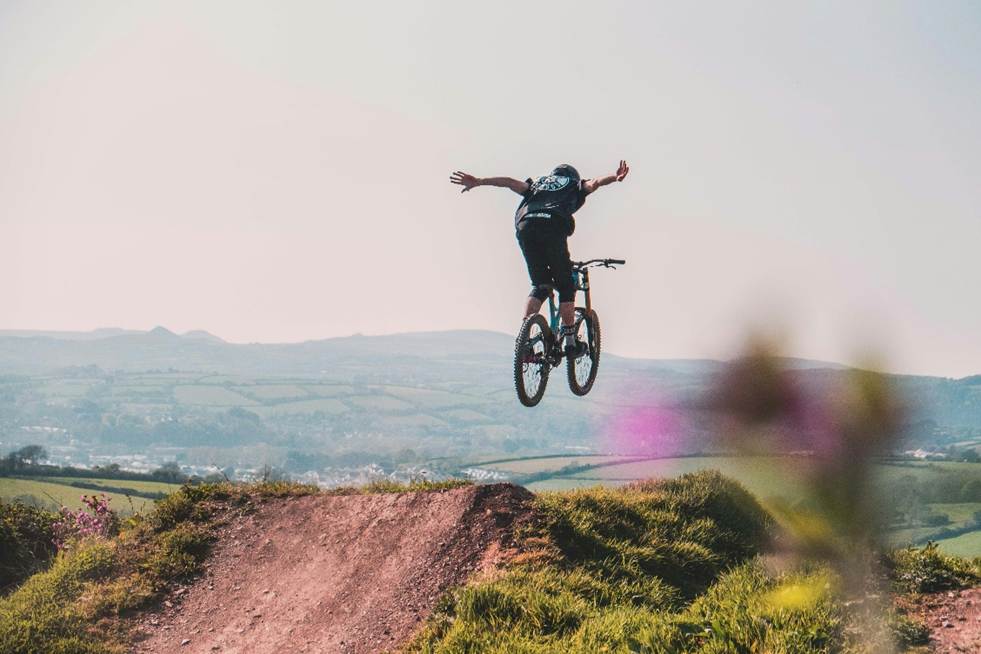
Image Credit: Carter Moorse via Unsplash
Kudos to you, my friend for joining the glorious club of Endurance Training. Whether you’re prepping for your first century ride, an Ironman, or just trying to outlast your neighbour on Strava, we salute you.
I’ve been in this game for almost three decades. My bike is my time; it is my place of self-discovery and wonder. Over the years I’ve picked up some tricks and tips along the way, and just so you know this blog is experience inspired and not some AI mumble, these are some of the races I’ve learned from:
The Munga (1130Km in 120 hours), Cullinan 2 Tonteldoos (260Km in 24 hours), The Desert Dash (400Km in 24 Hours)
1. Hydration & Electrolytes = Your Endurance Heros
Endurance athletes sweat… a lot. Hydration is the cornerstone of performance, and plain water alone won’t cut it when you’re cranking out the miles.
Add electrolytes to your bottles to keep cramps at bay and energy flowing. I tested this Drip Drop Zero Sugar Fast Hydration in between tears during the 2023 Munga and it delivers!
2. Amino Acids: The Muscle Whisperers
Long rides and runs break muscles down. Amino acids are the building blocks that help you repair. Check out Musclesport BCAA Revolution. It’s got a 10:1:1 ratio, HICA-DL, glutamine peptides, and an electrolyte matrix. Sip it all day for smoother training and faster bounce-backs.
And when you’re going deep into training, glutamine can be your secret shield. Supplementing with something like this Nutricost L-Glutamine Powder helps muscle recovery, immunity, and keeps post-training fatigue from dragging you down.
3. Creatine: Not Just for Bodybuilders
You’ve probably heard the gym crowd sing the praises of creatine — but endurance athletes, listen up: creatine is a powerhouse for explosive energy and recovery. Sports Research Creatine is a clean, reliable option to add into your training. It helps you push harder in sprints, climbs, and those dreaded intervals.
Recent research shows that creatine also boosts cognition and memory, read more here: Creatine: The bodybuilding supplement that boosts brainpower
4. Beta-Alanine = Endurance Supercharge
You know that burning sensation in your legs when you’re going full gas? That’s lactic acid. Beta-alanine helps buffer it, so you can go harder for longer without feeling like your quads are on fire.
Nutricost Beta Alanine Powder is basically rocket fuel for endurance training. Whether I’m running, mountain biking or hiking – I never go without this.
5. Iron = Oxygen’s Driver
If you’re low on iron, your endurance will tank. Iron is essential for oxygen transport, and athletes (especially women) are often low.
The trick? Pick a form that’s easy on your stomach, like Thorne’s Iron Bisglycinate. No GI drama, just pure oxygen-delivery goodness.
6. Boost Circulation with Beets
I used to really dislike beets growing up but turns out that beets are loaded with nitrates that help improve blood flow and endurance. Your heart, your stamina, and your Strava stats will all thank you. Force Factor Total Beets Drink Mix Superfood Powder is great, even during rest periods when you are not actively training.
7. Sunscreen
I’ve seen people bow out of races because of sunburn. This one is a no-brainer, yet so many athletes forget or use the wrong product. You want something that won’t run, that will last and that won’t burn your eyes. EltaMD UV Clear Face Sunscreen SPF 46 is oil free, contains zinc and is small enough to carry on your adventures.

Image Credit: Devon Hawkins via Unsplash
Endurance training isn’t about suffering on the bike or pounding the pavement it’s a journey where you not only learn about your own limits and strengths with the help of smart fuelling, smart recovery, and the right tools to make the grind just a little smoother.
Disclaimer: I am not a medical doctor or healthcare professional. The information I share is based solely on my own personal experience and should not be taken as medical advice. Always consult a qualified healthcare provider before making any decisions regarding your health, treatments, or supplements.
Share this post

RELATED
Posts
The Sydney Marathon: A Scenic (and Grueling) Tour of Australia’s Most Iconic City